We’re in the fourth industrial age, where data is accumulated, collated, analyzed, and interpreted at lightning-fast speeds. Highly competitive organizations enhance their platforms with AI, but many companies are unable to process the information they collect and use it in a meaningful way because they have insufficient computing resources, storage,...
Read More
I was scrolling carelessly on Reddit a few days ago when I saw a thread on buzzwords that made me pause for a few seconds. In truth, buzzwords are powerful. They tend to express ideas and concepts in one word that are usually more popular than the core ideas they...
Read More
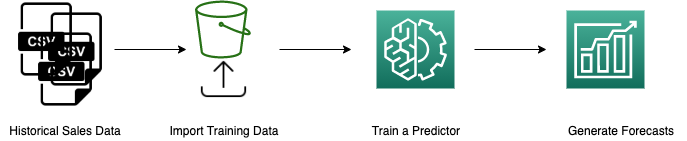
According to Wikipedia, Forecasting is a process of making predictions of the future based on past and present data and, most commonly, by analyzing trends. History is filled with people trying to predict the future by looking at trends and patterns. We don’t have the power to change the past,...
Read More
2020 turned out to be radically different from what everyone had expected. COVID-19 has impacted our lives in many ways. As the pandemic spread, one question that baffled us was: what can we do with technology to combat the virus?. A few days later, we got the answer. In a...
Read More
Twitter users tweet 500 million tweets per day. The volume of information going through Twitter per day makes it one of the best platforms to get information on any subject of interest. In this post, I’ll walk you through how I built a Twitter bot with a brain. According to...
Read More
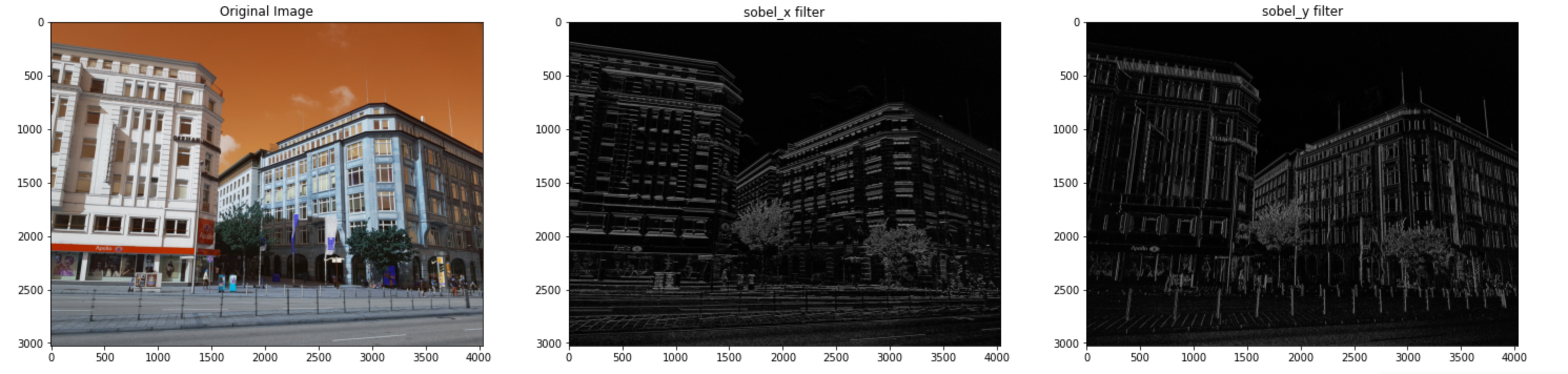
In this post, we’ll look at common techniques used in detecting edges for image segmentation. Object detection in computers is similar to how humans recognise objects. As humans, we can tell the image of a dog because of features that uniquely characterises a dog. The tail, shape, nose, tongue, etc....
Read More
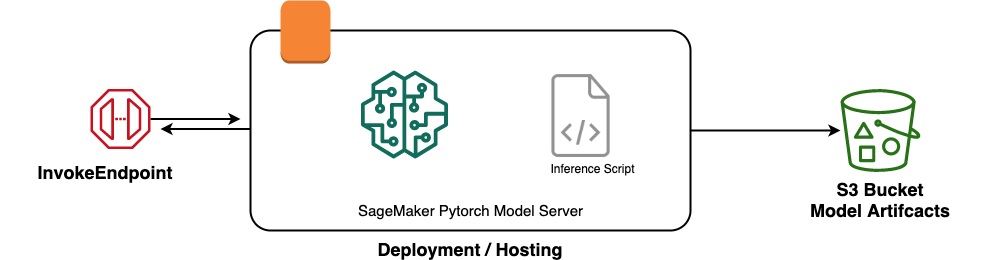
In this tutorial, you’ll learn how to deploy a Pytorch model on AWS cloud infrastructure. In my previous post, we saw how to train an image classifier that is capable of recognizing images of objects in 10 categories. Today, we’ll deploy the model from the training job on SageMaker hosting...
Read More
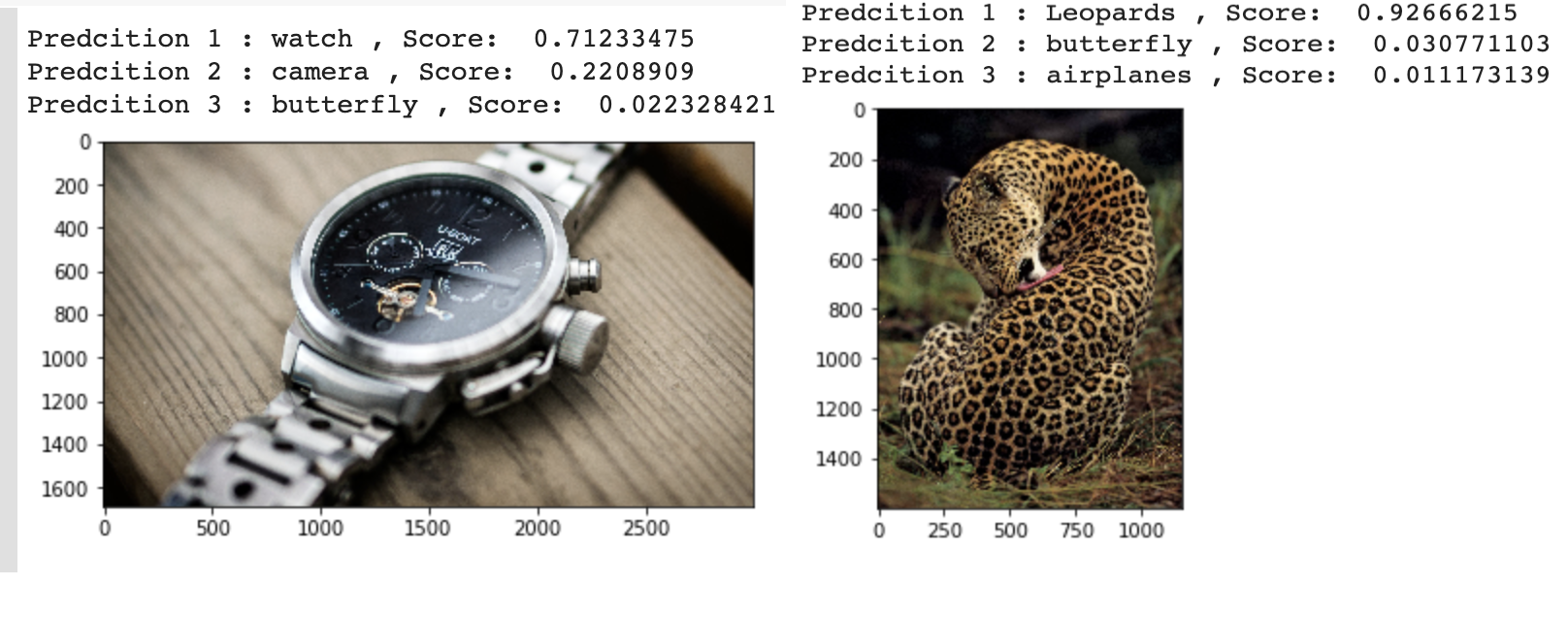
In this post, you’ll learn how to train an image classifier using transferred learning with Pytorch on Google Colab. We’ll use a dataset provided by CalTech, which contains pictures of objects in 101 categories. We’ll talk briefly about overfitting and how to avoid overfitting. In the end, we’ll train a...
Read More
In the previous post, we talked in detail about queue systems and why they’re essential in scaling applications. Today, we’ll take it a bit further. We’ll look at AWS Simple Queue Service (SQS), a managed queue system provided by AWS, and how you can integrate with it from your node.js...
Read More
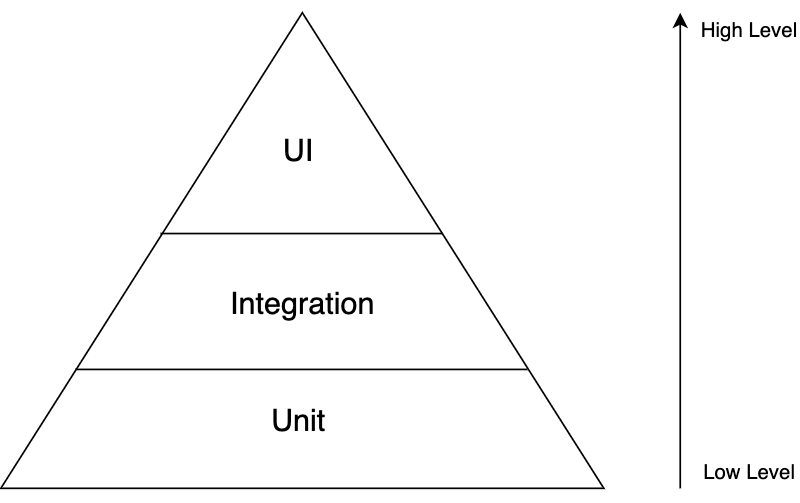
My little self stood in front of my computer some years ago, churning out code that today would make me scream like a baby deprived of food. The motivated me had made some changes to a 1,000-line app the previous night, and now the code just wouldn’t run. If there...
Read More
The word “queue” is used everywhere. It has all kinds of meanings in the real world and even in the world of software development. Last night, a friend pulled me aside and whispered, “Why do you hate queues so much?” I stared at him for a while and blurted, “Why...
Read More
In the 19th century, Le Corbusier, a French architect, made public a visualization that changed how we live. This plan opened the door to modern urban planning today. Around 1930, public health became a significant concern; the poor working conditions of municipal workers in congested and polluted cities. Le Corbusier’s...
Read More
Today, I want to talk about one of my favorite plugins for prototyping Javascript in visual studio code: Quokka.js. Quokka.js is a rapid prototyping playground in your editor, with access to your project files and provides instant inline reporting. It runs your code as you type and display the value...
Read More
Cloud computing is constantly evolving, from bare-metal to container technologies. The latest trend in this process is the serverless (Function as a Service, or FaaS) computing model. According to Techbeacon, serverless has an annual growth rate of 75%, making it the fastest growing cloud service model. So, serverless architecture isn’t...
Read More
This post is to show you how to run and build a serverless application on Google Cloud Platform that integrates with Google APIs. What we’ll cover in this post includes: Creating & deploying a serverless application using the serverless framework. Integrating your application with Google APIs using the right authentication...
Read More